
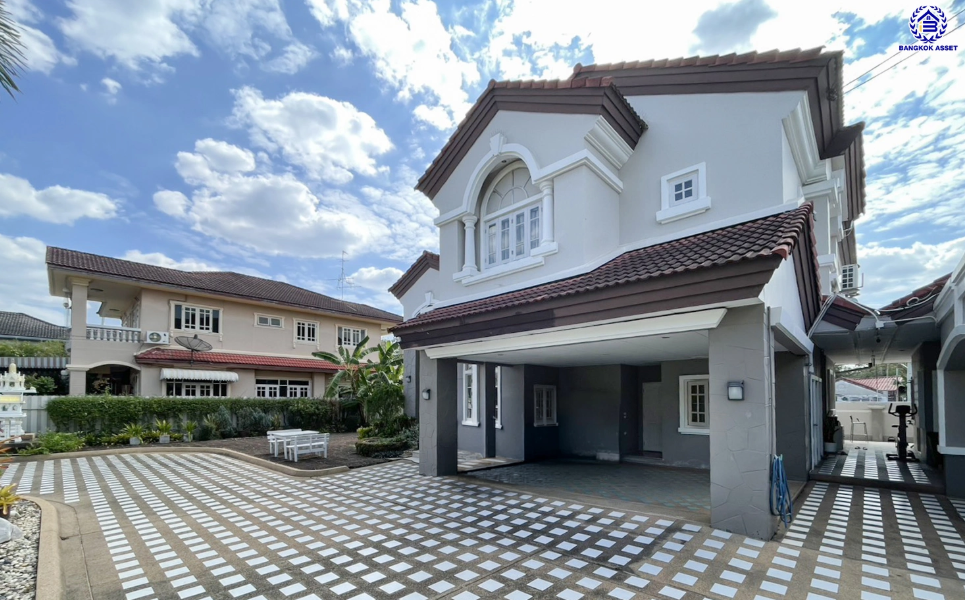
For many years, living close to the center of a major city was seen as the most practical choice for homebuyers across Southeast Asia. Central locations offered shorter journeys to offices, easier access to transport, and a wide range of shops, schools, and services. Yet priorities are changing. More buyers are now looking beyond the urban core in search of larger homes, greater privacy, and a living environment that better supports family life.
This shift does not mean city centers have lost their appeal. Instead, it reflects a broader understanding that convenience is not defined by distance alone. For many households, the right home is now one that balances access to the city with enough space to live, work, rest, and grow comfortably.
Space Has Become Part of Everyday Well-Being
One of the strongest attractions of suburban living is the opportunity to gain more usable space. In dense urban districts, buyers may have to compromise on room size, storage, parking, or outdoor areas. Homes outside the city center often provide more flexibility for families who need additional bedrooms, shared living areas, gardens, or quiet corners for study and work.
Space also affects the way a household functions. Children may need room to play and complete schoolwork, while parents may require a dedicated workspace. Older relatives may benefit from greater privacy and easier movement around the home. In this context, a spacious family home is not simply a luxury. It can support daily routines and reduce the pressure created when several people must share limited space.
Flexible Work Is Changing Location Decisions
The growth of hybrid and remote work has also influenced how buyers think about location. When employees are not required to travel into the city every day, living slightly farther away may become more practical. A longer journey on selected days may feel like a reasonable trade-off for a quieter neighborhood and a larger home.
This has increased demand for properties with rooms that can serve more than one purpose. A spare bedroom may become a home office, while a common area may need to accommodate both family activities and online meetings. Buyers are therefore evaluating homes not only by where they are located, but also by how well the layout supports changing work patterns.
Families Are Looking at the Wider Community
A home is rarely judged in isolation. Southeast Asian homebuyers are paying closer attention to the quality of the surrounding residential community, including road access, security, schools, healthcare, shopping, and recreational spaces.
Family-friendly communities can provide a sense of stability that is sometimes difficult to achieve in busier urban districts. Quieter streets, larger homes, and established neighborhoods may appeal to parents raising children or households planning for long-term homeownership.
At the same time, buyers remain practical. They still expect access to hospitals, supermarkets, shopping centers, and essential services. The most attractive suburban areas are therefore not remote locations, but communities that combine residential comfort with strong connections to the city.
Infrastructure Makes Suburban Living More Practical
Moving beyond the urban core does not necessarily mean giving up convenience. Main roads, expressways, public transport, and expanding commercial areas have made many residential suburbs more accessible.
Buyers increasingly assess a location by examining several routes rather than measuring only the straight-line distance to the city center. They may consider access to workplaces, schools, hospitals, and transport stations, as well as the availability of alternative roads when traffic conditions change.
This broader view of connectivity is important because commuting to the city is only one part of everyday life. A well-located suburban home should also make school runs, shopping, medical visits, and family activities manageable.
Nonthaburi Reflects the Wider Regional Trend
Nonthaburi provides a clear example of how areas surrounding a major city can attract buyers seeking a better balance between space and accessibility. Located close to Bangkok, the province includes established neighborhoods, residential developments, commercial areas, and transport connections that serve different household needs.
For buyers comparing family homes in Nonthaburi, the decision may involve more than finding a larger property. It may also mean identifying a neighborhood that supports work, education, healthcare, and family routines while remaining connected to Bangkok.
The variety of residential settings in the province allows buyers to compare homes according to layout, privacy, community atmosphere, and travel preferences. This makes Nonthaburi relevant to a wider trend seen across Southeast Asia, where urban expansion is creating more viable choices beyond traditional city centers.
Long-Term Needs Are Shaping Home Choices
Another reason buyers are considering residential suburbs is the need for flexibility over time. A household may change significantly during the years spent in a property. Children grow older, work arrangements evolve, and elderly parents may join the home.
A property that can adapt to these changes may offer greater long-term value than one chosen only for immediate convenience. Additional rooms, practical parking, accessible layouts, and manageable outdoor areas can all become more important as family circumstances change.
Buyers are therefore looking beyond the appearance of a property and asking whether it can continue to support their lifestyle in the future.
A Lifestyle Decision, Not Just a Property Decision
The growing interest in homes outside the city center reflects a deeper change in how people define a good place to live. Proximity to work remains important, but it is increasingly weighed against space, privacy, family relationships, and overall quality of life.
For many Southeast Asian homebuyers, looking beyond the urban core is not about rejecting city life. It is about finding a more sustainable balance between urban access and residential comfort.
The right decision will vary from one household to another, but the principle remains the same. A home should support the way a family lives today while giving it enough flexibility to meet the demands of tomorrow.

Hey, Molar is the voice behind this all-encompassing blog, sharing expert insights and practical advice on business, real estate, and more. Dedicated to helping you navigate the complexities of these fields, Kelly provides the latest trends, in-depth analyses, and creative strategies to elevate your ventures.
